
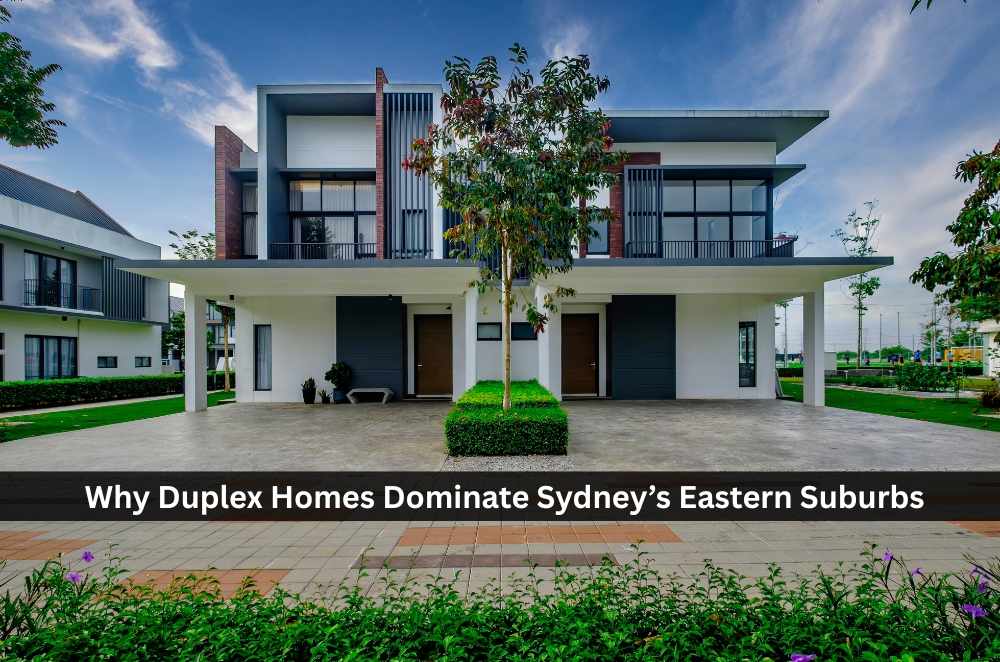
A duplex isn’t just two dwellings on one slab; it’s a way to multiply usefulness without bloating the footprint. We anchor the build standard with the Sydney East Building early, then shape every move around light, airflow, privacy, and cost certainty. Treat it as its own species—neither townhouse nor standalone—, and you’ll make cleaner calls on structure, services, and setbacks. The goal is calm, robust housing that stands up to weather, kids, and the weekly grind. Plans that read simply are usually the hardest-working: short corridors, stacked wet areas, and living zones that sip winter sun. When those elements click, comfort rises while the running costs ease off.
How do duplex homes maximise value?
A duplex’s value comes from planning discipline—not glossy tiles or over-designed façades. Get the bones right first, then layer the nice bits after.
We always start with site logic: morning light into living areas, shadow control for neighbours, and setbacks that support useable outdoor space rather than leftover scraps. Wet areas stack to cut plumbing complexity, and structural spans stay regular, so trades work faster and cheaper. Hallways tighten, storage expands, and living zones open to the sun rather than side fences. A well-planned 150m² home beats a chaotic 180m² one every single time.
North light is placed where people spend time
Storage integrated into the architecture
Wet areas stacked to minimise plumbing waste
Acoustic layers targeted to real noise paths
Value also grows when maintenance stays predictable. Simple roof geometry avoids leak-prone junctions. Services run logically, so future repairs don’t require demolition. The more you remove surprises from a build, the more budget you can redirect to durable finishes and energy-smart upgrades. These are the details that strengthen resale and keep running costs down.
To lock in that early efficiency, concept development leans on early duplex layout principles to prevent oversized voids, awkward corridor runs, and expensive cantilevers that add cost without adding comfort.
From there, market appeal is shaped by the practical things buyers notice: sunlight, airflow, privacy, and the rhythm of moving through rooms. When a duplex feels intuitive, you know the planning is doing its job.
What planning choices improve privacy?
Privacy in a duplex isn’t one big gesture—it’s dozens of small, quiet decisions. Offset the entries so neighbours don’t meet nose-to-nose. Shape courtyards so they hold light without broadcasting family life. Use landscaping as a buffer rather than a decoration. And position upper-storey windows so they borrow sky or tree canopies instead of creating direct lines of sight.
These moves don’t cost more; they just require thought. We treat privacy like airflow—something that should slip through the plan naturally. Living areas sit away from bedrooms, stairs break up noise, and small storage nooks double as acoustic shields. When rooms borrow quiet from the plan itself, you don’t need thick walls to fix mistakes.
Strong privacy design means both halves of a duplex feel like standalone homes, not halves of a negotiation. People notice that difference immediately, even if they can’t name why. It’s the feeling of calm when you walk through the door and the sense that your weekend belongs to you, not to the neighbour’s routines.
Which materials make duplexes durable?
Materials should handle real life: weather that swings, kids that slam doors, and decades of sun and salt. Moisture control sits at the top of the list. Flashings must be detailed properly. Eaves should protect cladding instead of throwing all responsibility onto paintwork. Gutters and overflows need clear routes for stormwater, not tortured junctions that create long-term failures.
Claddings proven under local conditions
Eaves and drainage that manage heavy rain
Service runs are designed for easy access
Internally, we prefer finishes that age gracefully. Timber floors that can be refinished rather than replaced. Joinery with hardware that doesn’t sag after three summers. Window systems with seals that you can actually buy replacement parts for. Good duplexes take twice the foot traffic of single homes; their materials need the endurance of a workhorse, not a showroom ornament.
Durability also touches energy performance. Better glazing cuts heat transfer and noise. Insulation needs continuity, not patchwork. Shading should be sized to orientation, not trend. When these elements align, the home stays comfortable without leaning heavily on mechanical systems.
conclusion
A duplex should feel calm, efficient, and built with purpose. That starts with sharp planning—light where people gather, wet cores stacked to save money, and entries arranged to protect privacy. From there, the detailing matters: water-smart junctions, tough claddings, clean service runs, and materials that hold up to decades of real living. When sustainability is part of the brief, it’s worth turning to sustainable duplex materials that balance longevity with lower environmental impact. Build with this mindset, and a duplex becomes more than two homes under one roof—it becomes a long-term asset for everyone who steps inside.


Write a comment ...